
Medical Preparation when Overlanding
This blog post is aimed at providing an insight into medical preparation for an Overland Trip, specifically in Africa. The details and contents are out of my own overlanding experiences and through preparing clients for their own solo travels. I hope it provides a valuable insight into the setting of medical preparation for remote travel.
You’re on a Safari, an Overland trip that is living up beyond your expectations. The sightings, the campsites, the landscapes, the people, the fire-cooked meals - it’s too much to describe in a mere few words. One evening though, you start feeling less than great. By the morning you’re not as excited as you have been to see the Elephants strolling by. You’re thinking about the shortest path to the restrooms or asking yourself “where did I put the ointment I heard worked for a supposed insect bite?”.
Feeling bad on a trip is a bigger inconvenience than it would be at home. The sacrifice is more than just feeling unwell - it's the whole experience you're missing out on. Planning and preparing for months, only to feel sick as the adventure unfolds. But it happens, an unfortunate reality that many travellers face.
Many people, like myself for a long time, travel with a gambling mindset of ignorance. Nothing major has ever happened, so why should I start worrying now? Why bother with being prepared all of a sudden? It's a common approach that most people go with. I find it interesting that people think this way when it comes to their own medical well-being and yet, everyone carries a spare wheel, even if they can't remember the last time they needed it.
A lack of understanding is perhaps to blame for the incomplete preparation. I've been involved with the preparation of many unique individuals, each with a different background and different adventure planned. All of the people we've worked with have taken the first correct step in adventure travel, which is to consult with others on subjects they don't know themselves. Expedition specialists, their local doctors, etc. Somewhat unsettling however is the lack of understanding in the other parts of the world when it comes to the reality of traveling in Africa. It mainly comes down to three aspects.
I - Malaria and similar Illnesses
• Opinions on Malaria vary widely. Some have never encountered it and are relaxed in their lack of knowing. Others are religious about the preventative measures.
• A practice I don't agree with is the general preference of taking prophylactic medication, without carrying the treatments. In other words, people are suggested to administer the preventative medications but not to carry the heavy-duty meds necessary to treat the condition once you have it. It's like trying to avoid getting a puncture (by taking active measures) and therefore not carrying a spare. Because the thing is, even though you take the preventative measures, you can still get malaria. It's not a guarantee that you won't get it. I'm saying this out of experience, having handed out my own treatments to someone who got sick despite them taking the prescribed preventative meds.
• The individuals providing these protocols are medical professionals, but their knowledge on African infrastructure is limited. I understand that for most people traveling into Africa, it isn't necessary to have their own treatments handy. But when you're on an Overland trip, things are different. If a situation turns sour, you need to first get to the help, which means driving while you feel horrible. And then, you need to hope that the facility you reach, being a clinic or hospital, does have the means to treat you, which is also not a given (again, out of my own experience).
• I've had the discussion with a well-travelled medical Doctor before, who claimed that reaching the facility is all that is necessary. And then as the conversation developed, I realize that this Doctor has never been in the middle of the Okavango Delta, or on the edge of the Zambezi, let alone traveling solo in a one-vehicle convoy in places like these. Their medical knowledge is absolutely valuable, but a lack of experience in a specific setting could result in the person seeking advice being unprepared for a very real threat.
• The same goes for other similar conditions such as Yellow fever and Rabies. The risks of both could be prevented to a large extent by getting the correct vaccinations.
• Just to clarify, I'm not saying that it's not worth taking the preventative medications or that it's wrong to believe they will work. I support medical professionals when they prescribe these meds to people traveling in Malaria regions. These meds alone are just not enough in my experience and if your travels justify using the preventative meds, it often also justifies having the treatments with you as well.
II - Trauma Readiness
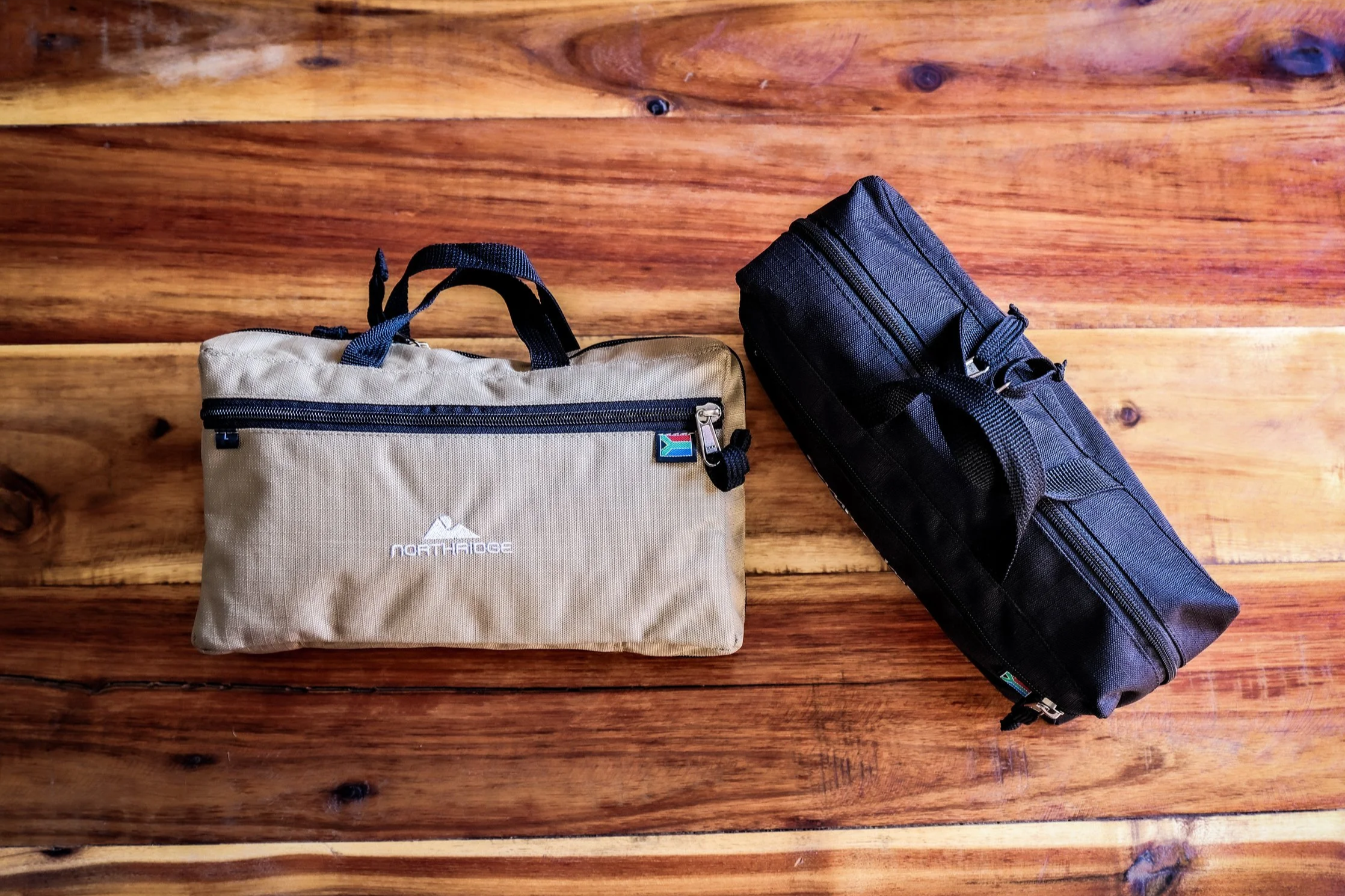
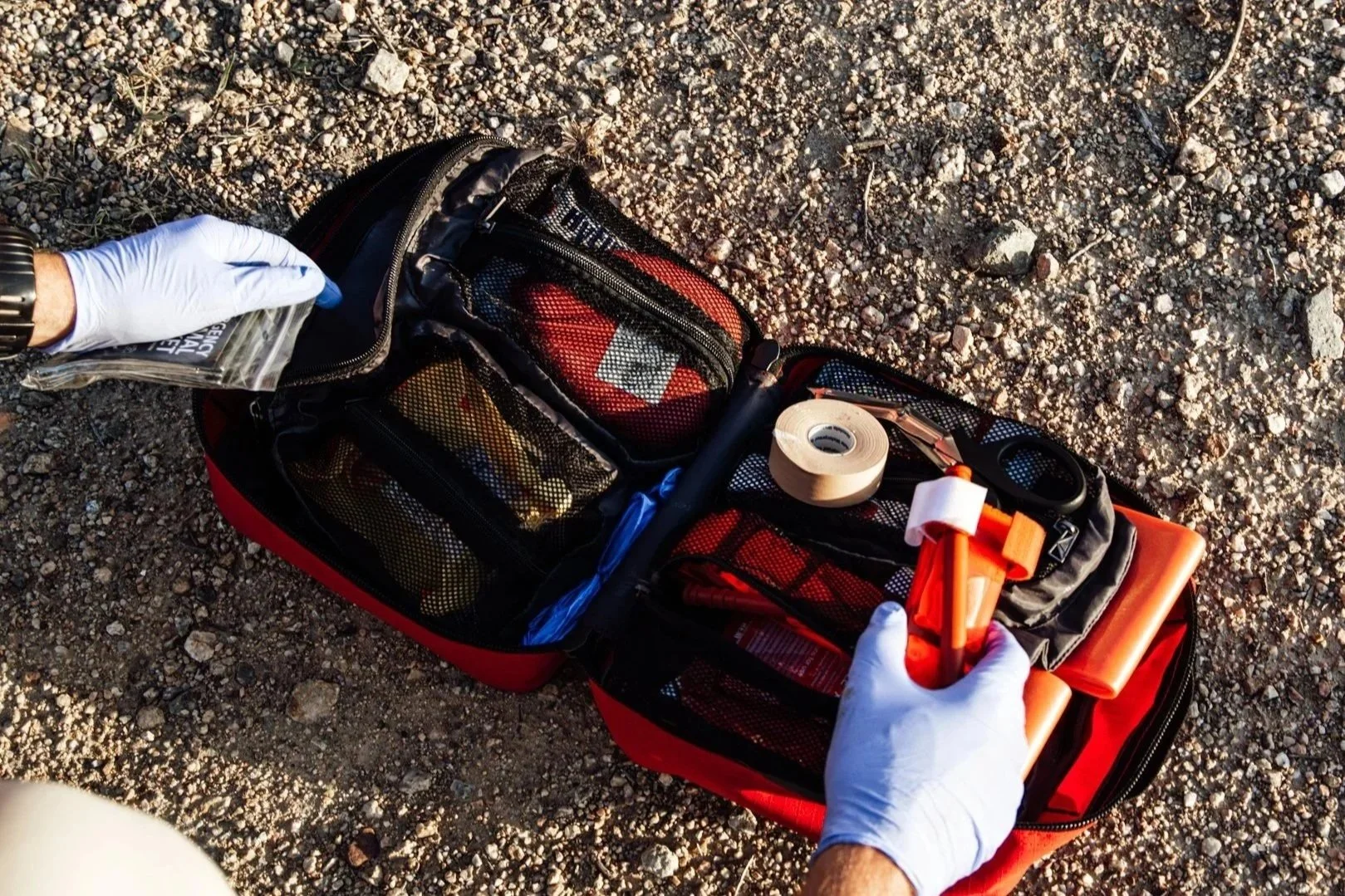
• There is a clear but unrecognized line between self-medication and trauma. Most first aid kits however blur this line. Like when CPR items are packed between band aids, with no severe bleeding items in the kit. These kits are suggested by certain media influencers, and then they are recognized globally. They provide a sense of readiness but once you start going through real-world simulations, their inadequacies don't take long to surface.
• A simple measure is this; anything that saves a life or limb should be kept together. Anything that makes you more comfortable (i.e. dealing with a thorn or flu) and won't cause a serious situation within a few hours, should be kept separately. You don't want to grab the same bag for a serious burn as you would for a light scratch.
III - Access to help
• This is a topic foreign to most. First World countries generally have well-established emergency services. Once you activate an SOS beacon, with a cell or satellite phone, it's pretty much a done deal that some form of response is on its way and will most-likely reach you in time. Africa however is very different.
• The vast less developed regions and country borders mean that you are most likely much further from help (meaning a response that comes to you instead of you going to it) in the middle of Southern Africa than you are in the middle of the US or Australia. Yes there might be a village a few hours from you, but the chances of there being any noteworthy medical help are slim. Many of these villages don't even have electricity, let alone anti-biotics. The bad roads and border crossings add to the challenges of reaching someone in need. Local authorities or assets will most likely be activated which at least gets the help closer, but it remains a cross-border effort which adds its own levels of complexity.
• Activating an SOS in Africa won't therefore be a given that help is on its way. Yet many see this alone as their gatekeeper for medical trouble. It's a valuable resource to have sure, but one must understand that the help is most-likely further than would be ideal.
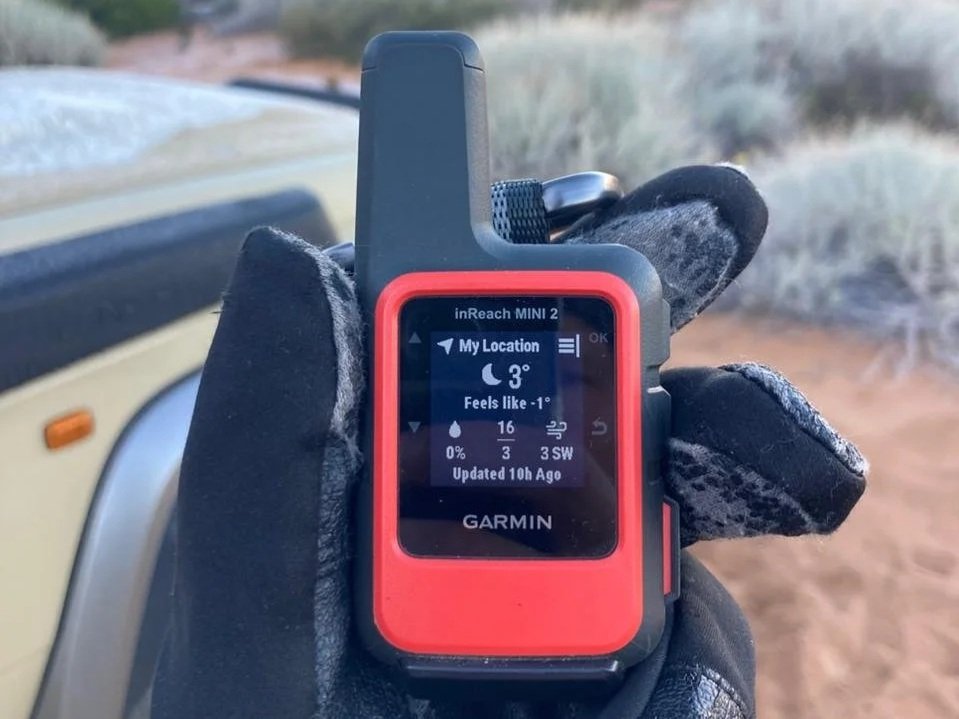
• A valuable measure of readiness is being both equipped and competent in using your satellite communication system. Being able to contact the last Lodge you visited or a fellow traveler you met a few days ago on the same stretch of road could be a more reliable source of help than a global rescue service that has been activated.
Suggestions:
As the saying goes, failing to plan is a plan to fail. Following is a few suggestions that has provided a good basis for our own and our clients' medical preparations:
• Ensure that everyone in the vehicle is competent with the Satellite Communication system. Only knowing how it works is not enough. Each person needs to send and receive a message. Everyone should test it on their own. This is one of those things where practice is necessary, not only theory.
• Choose your source of information carefully. The internet and social media provides a wide source of information and opinions from many different individuals. Talking to someone that has done it the way you are planning to is valuable. Experience is better than only interpreting information.
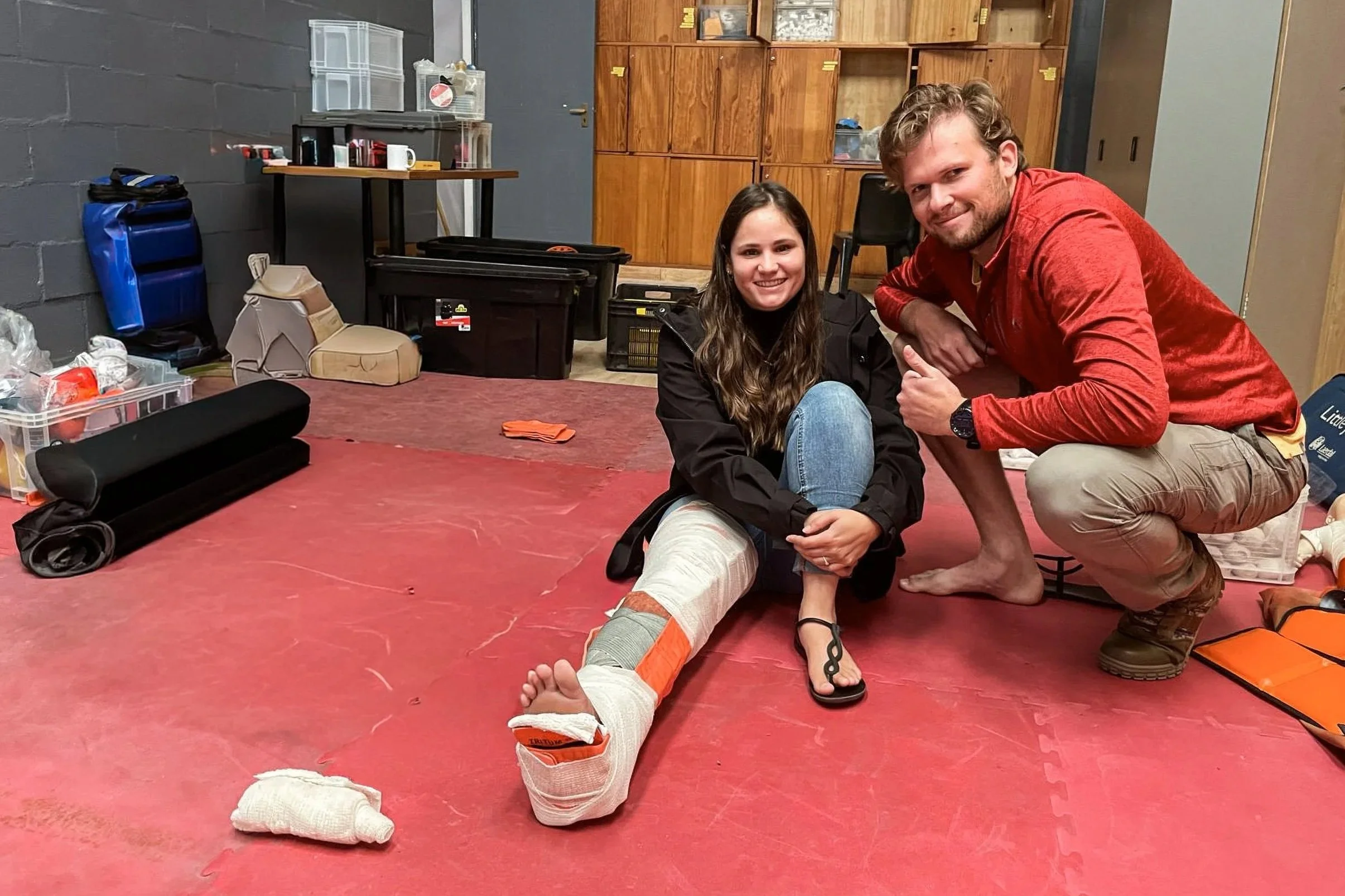
• Be competent in helping yourself. Safe vehicle recovery, off-line navigation, wilderness first aid... Dealing with a situation needs two things, the right gear and the right skills. Both are critical for every member in the vehicle.
• Have a real doctor on standby. Someone that you have done a consultation with and that is available to contact while you're on the road. Talking to someone that has your file on hand makes dealing with a situation a lot better. Trauma will be a desperate situation, but an insect bite that leads to a fever or an upset stomach could be dealt with by consulting a Doctor and taking the correct medication. He or she will know what you're carrying with you, given your pre-trip consultation. If you don't have someone, we at Joubert Overland have a dedicated Travel Doctor that we send our clients to for this exact function. Feel free to enquire - but regardless of who you use, it's a valuable asset to have while traveling.
I hope this blog provides an insight into the medical side of Overlanding in Africa. As with any adventure driven activity, being prepared allows you to savor the journey with its challenges instead of missing out. We prepare in order to embrace...